
Cart

Oops, your cart is still empty
Looks like you haven’t added anything yet. Start exploring our products and find what you need.
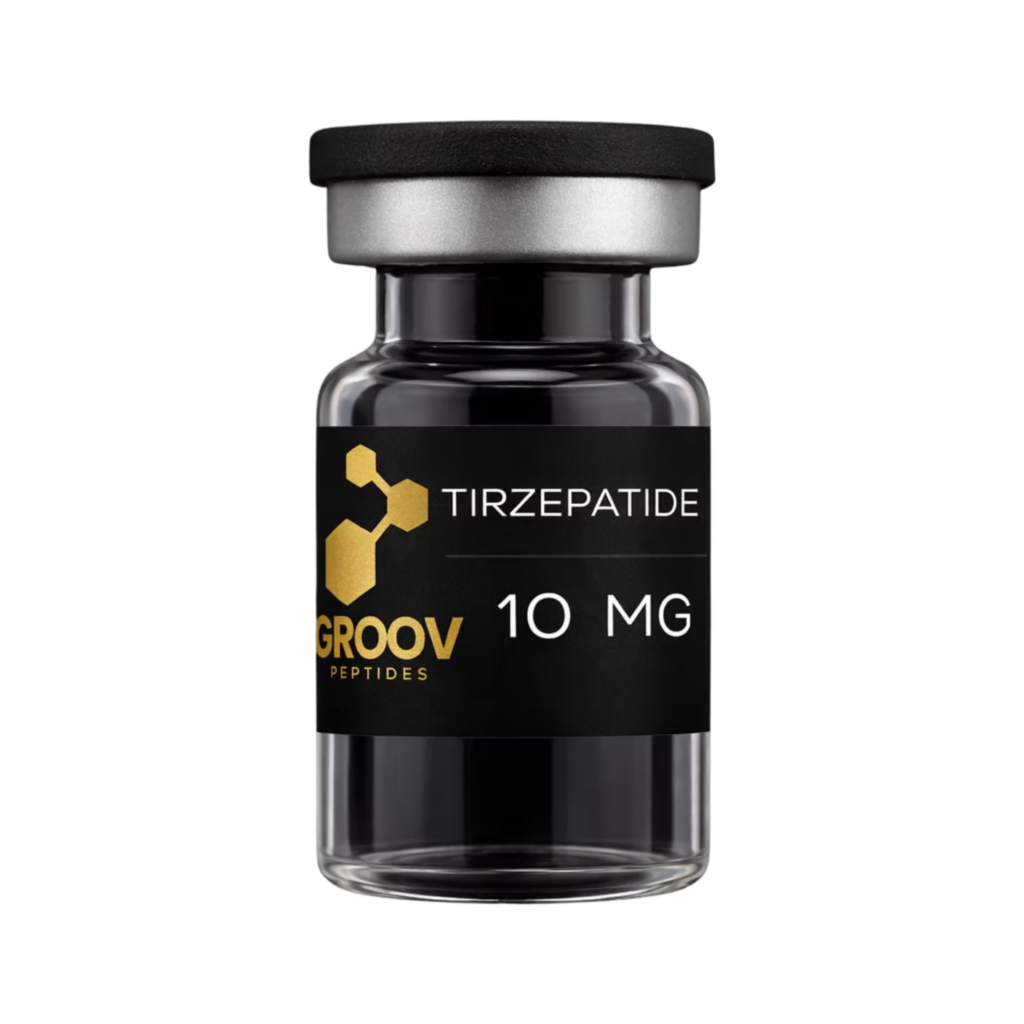
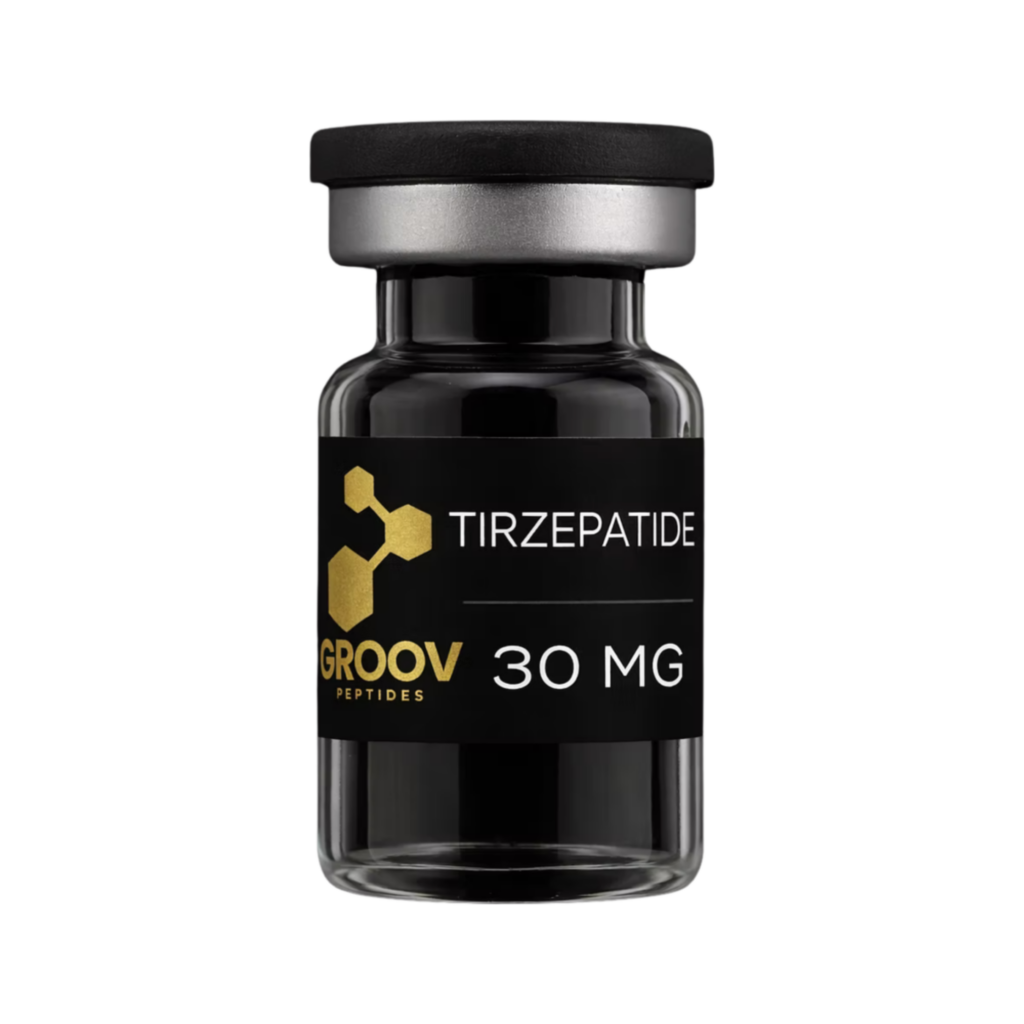

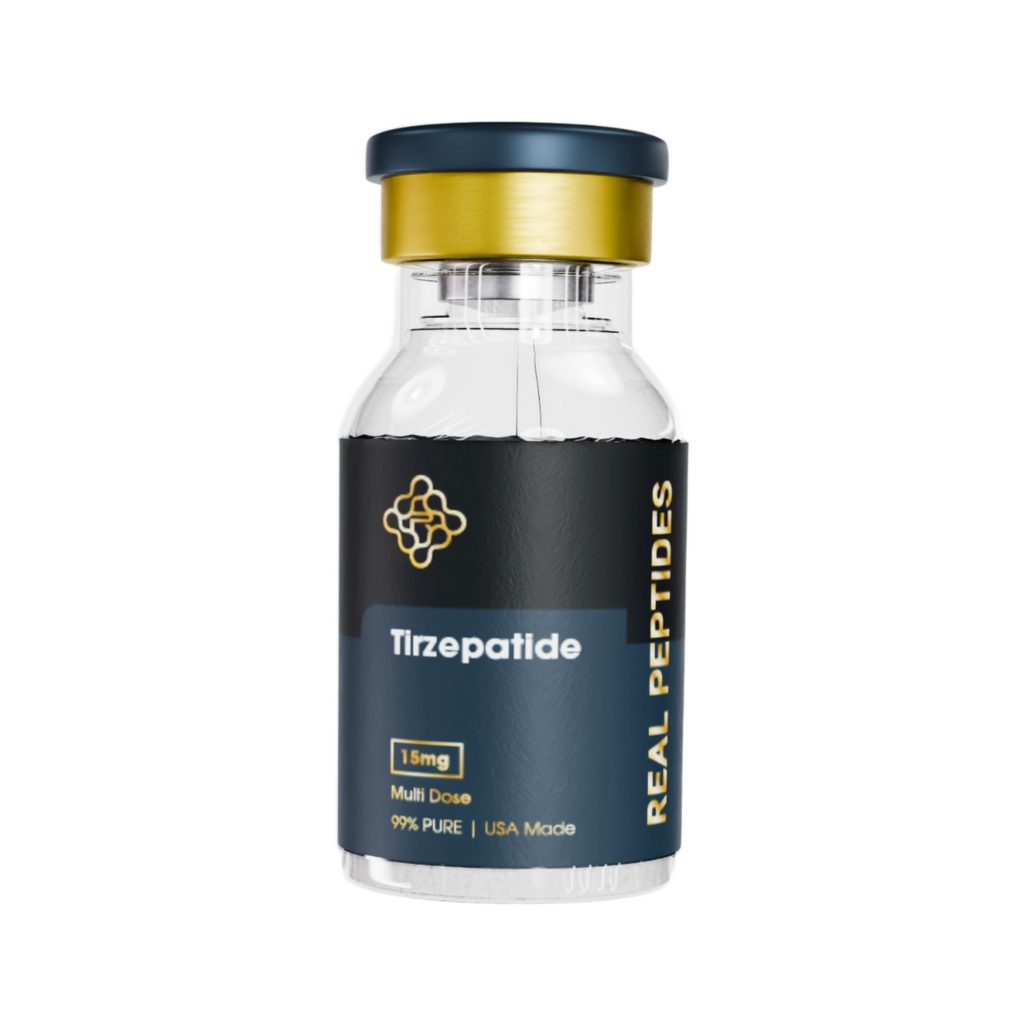
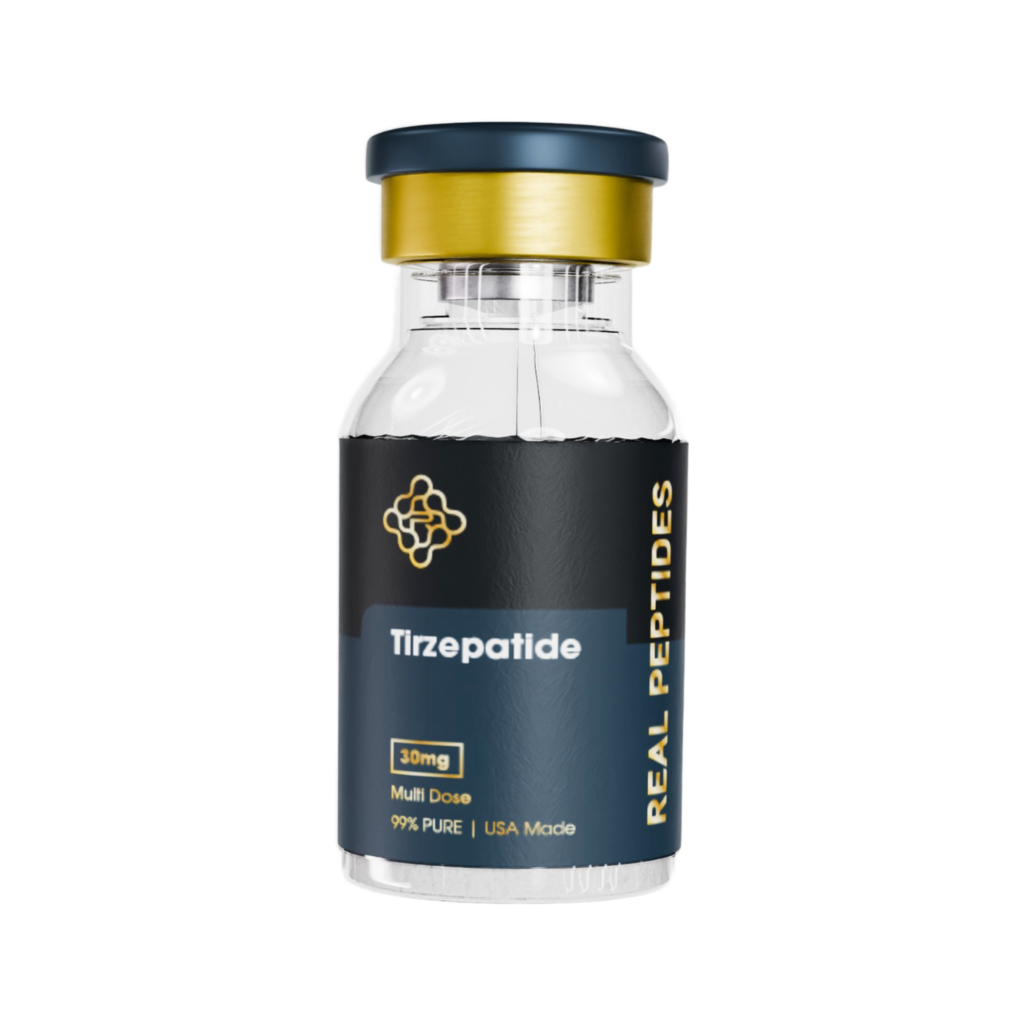
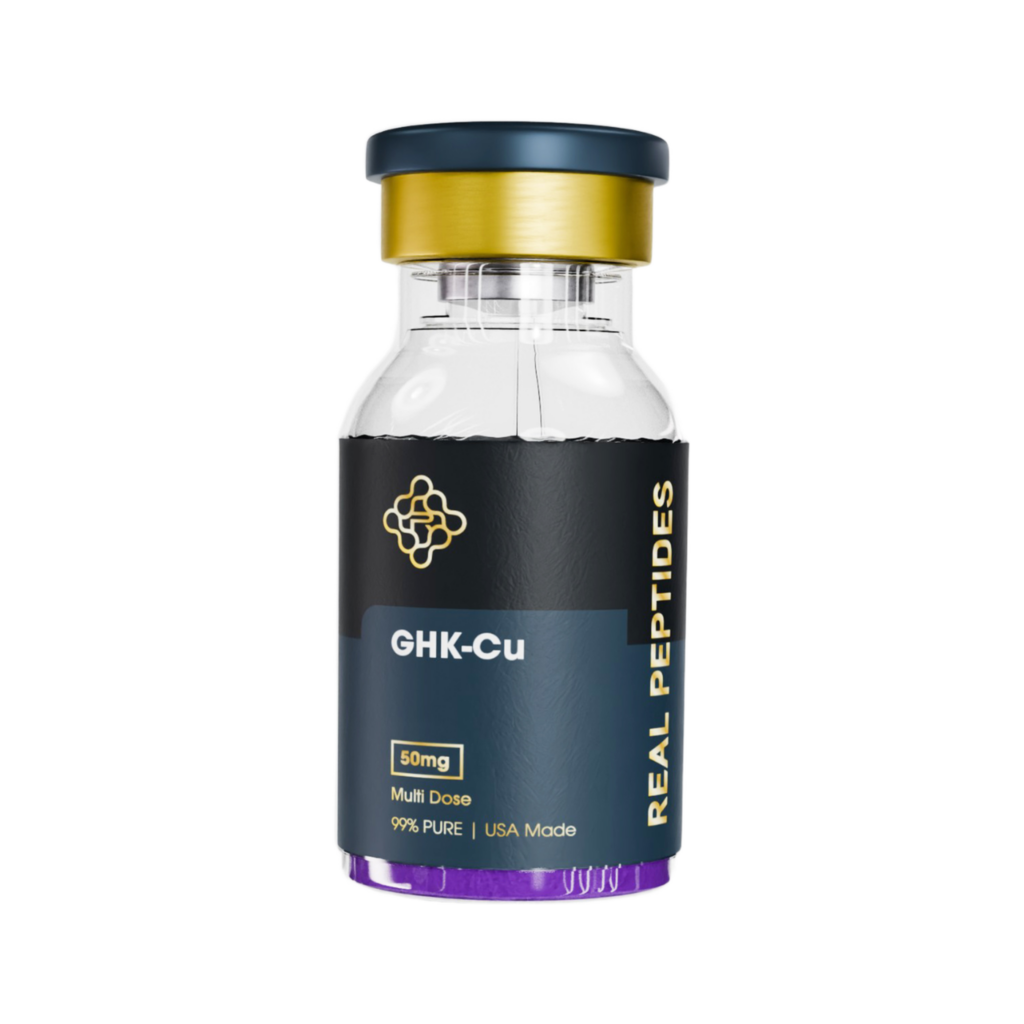
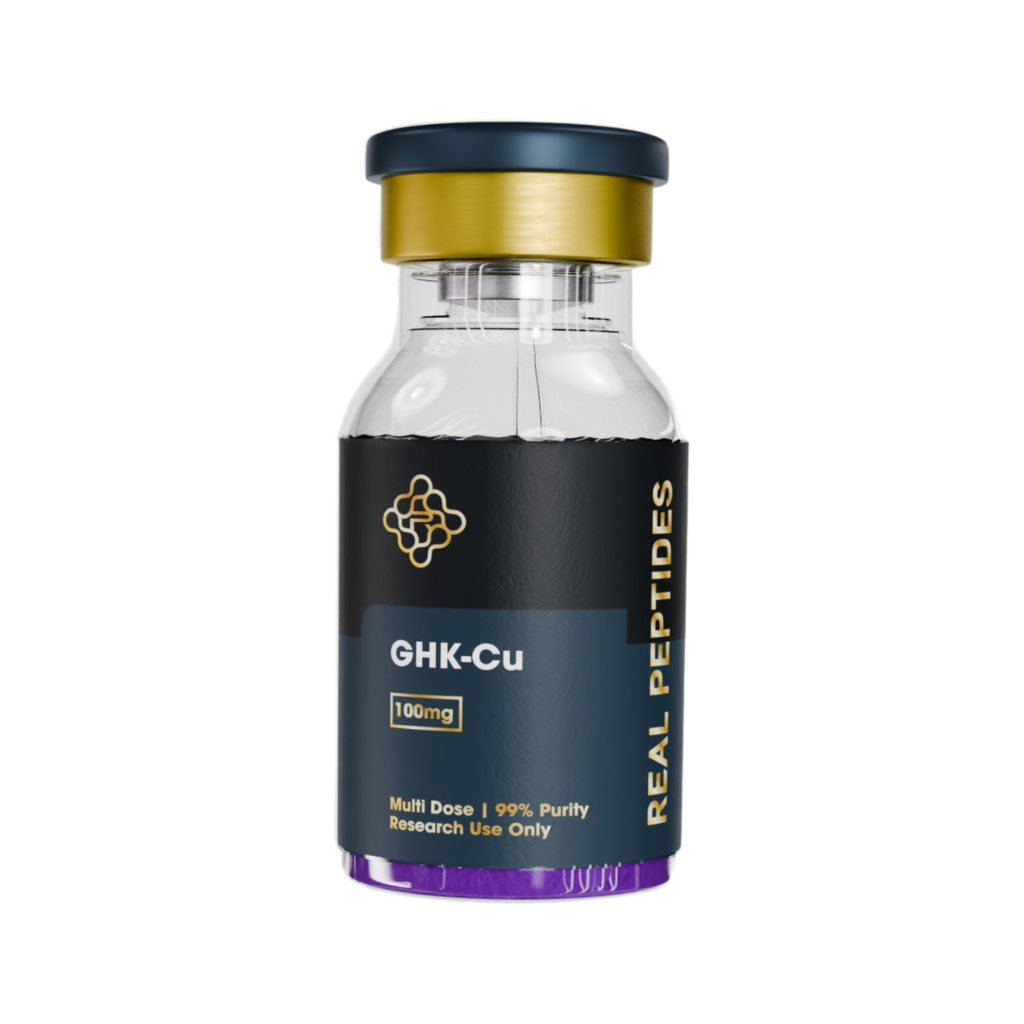
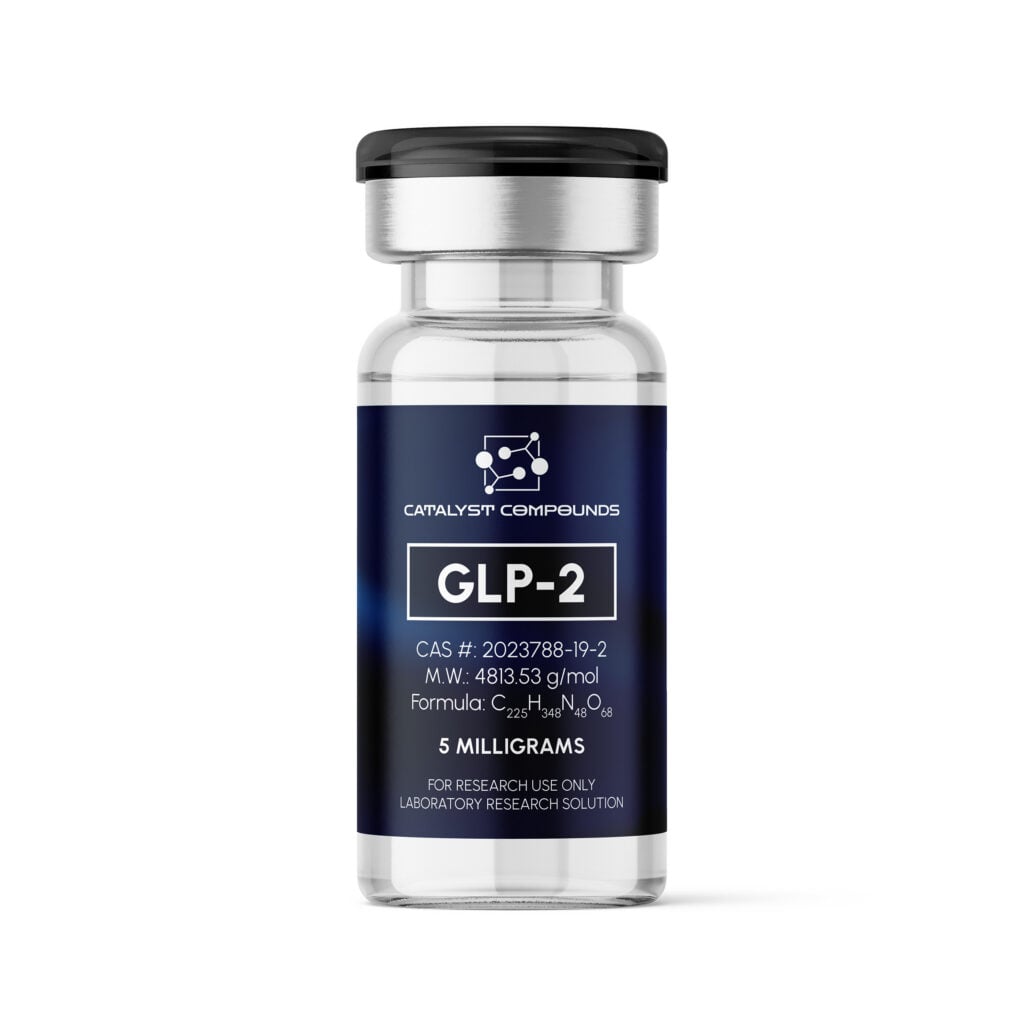
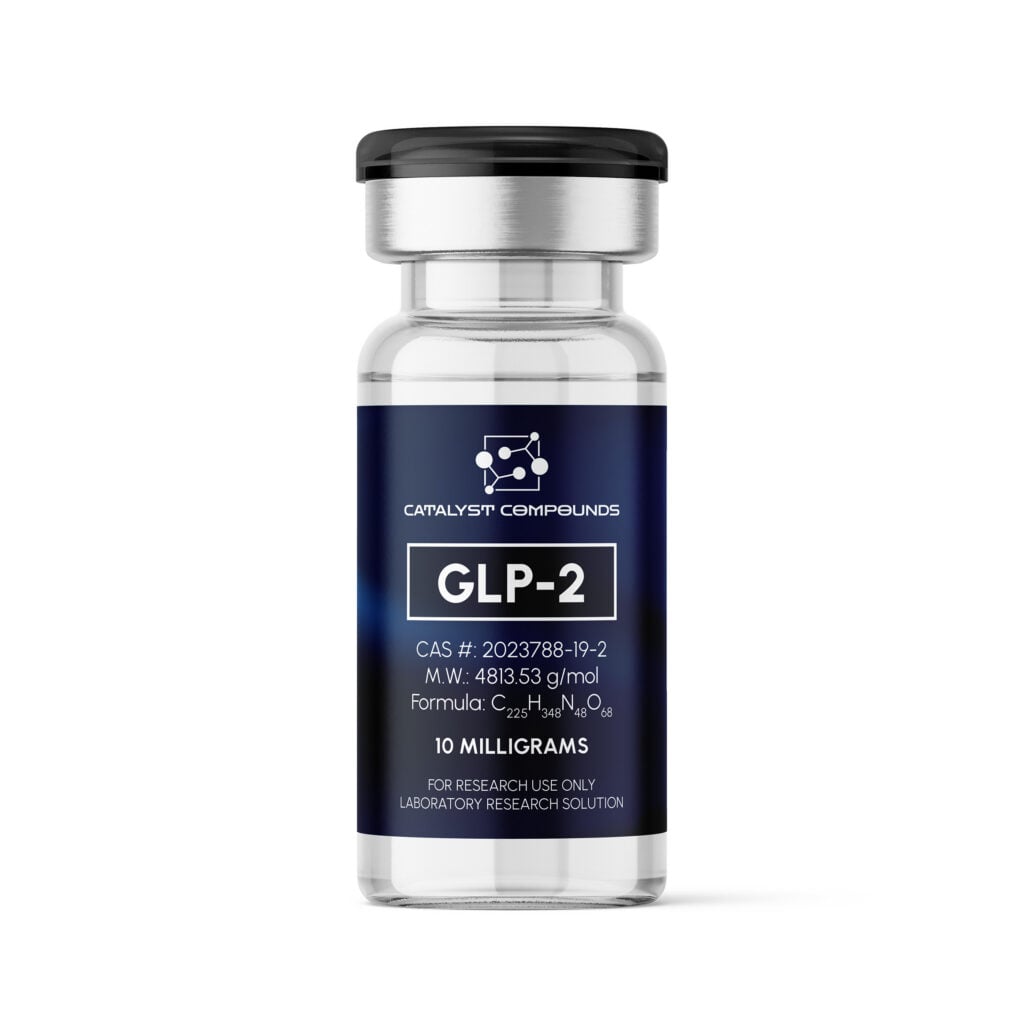

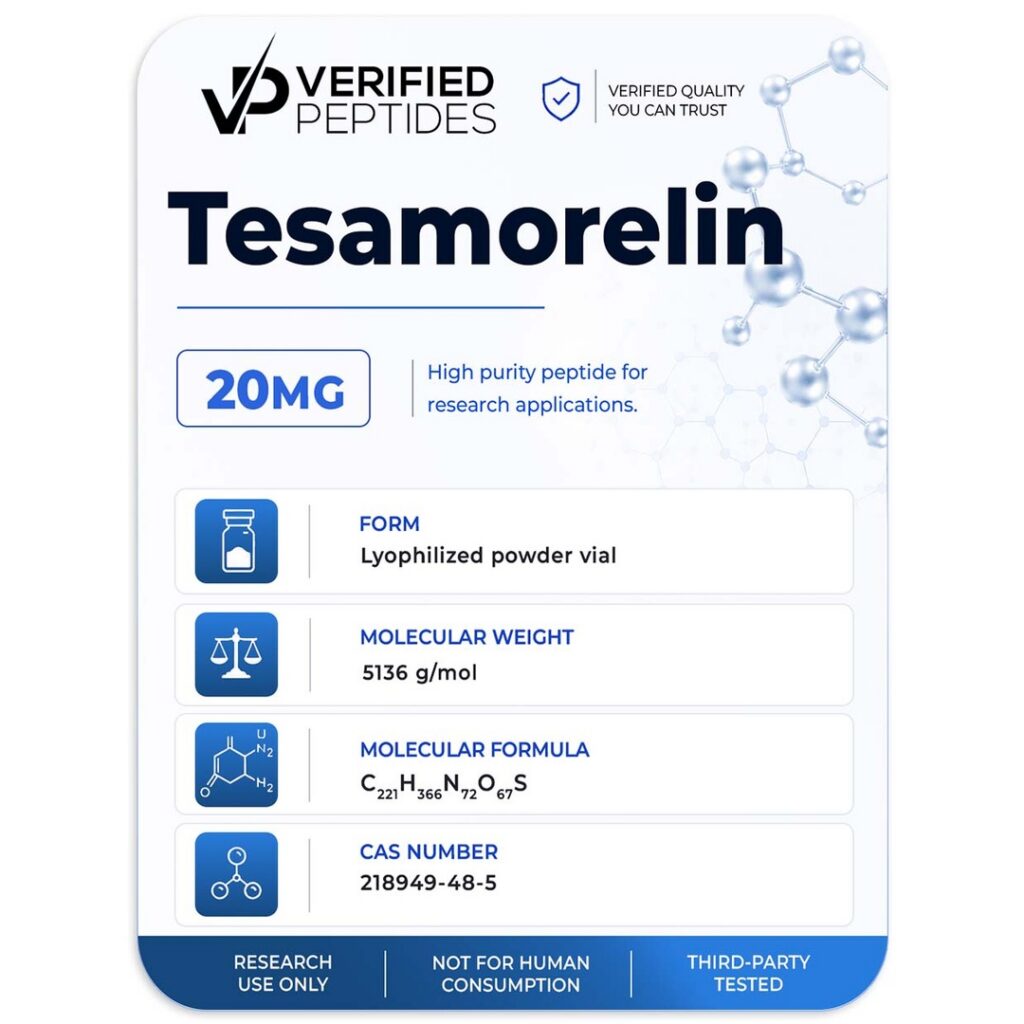
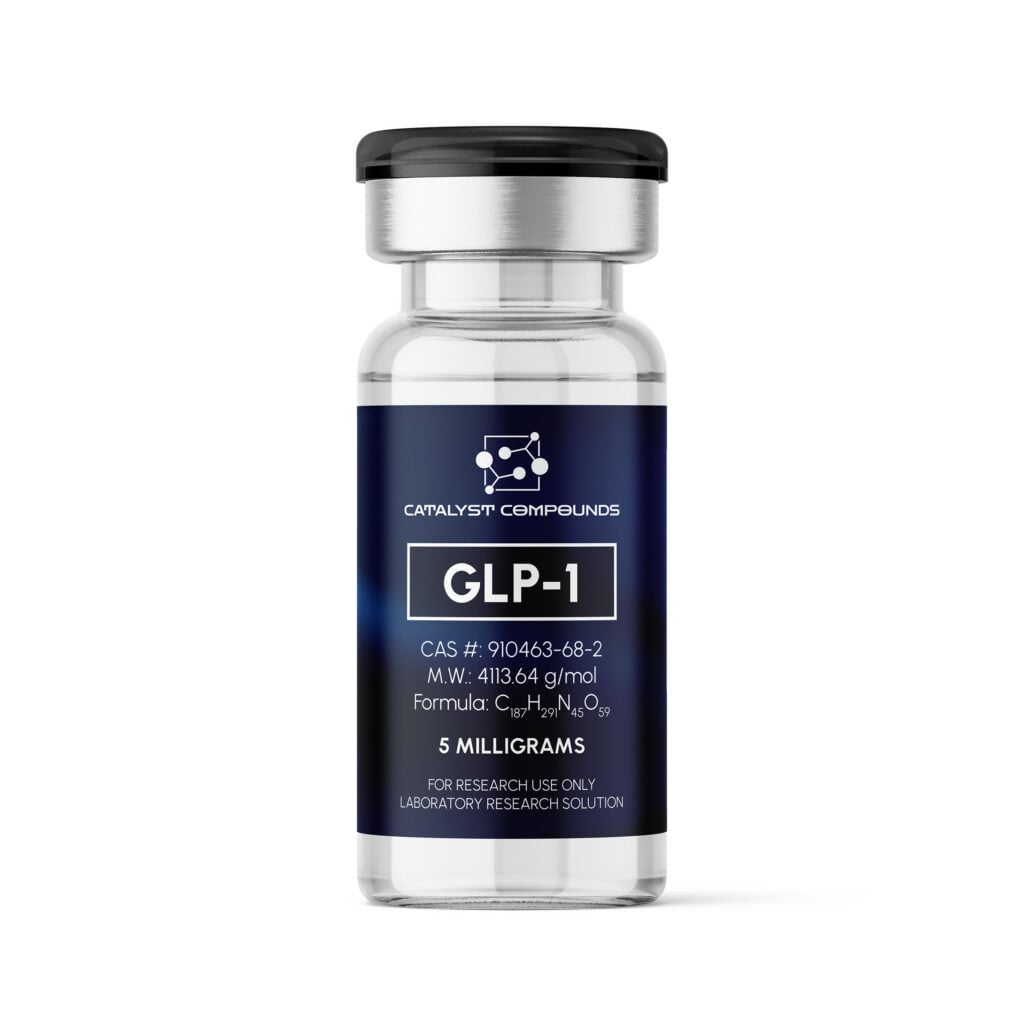
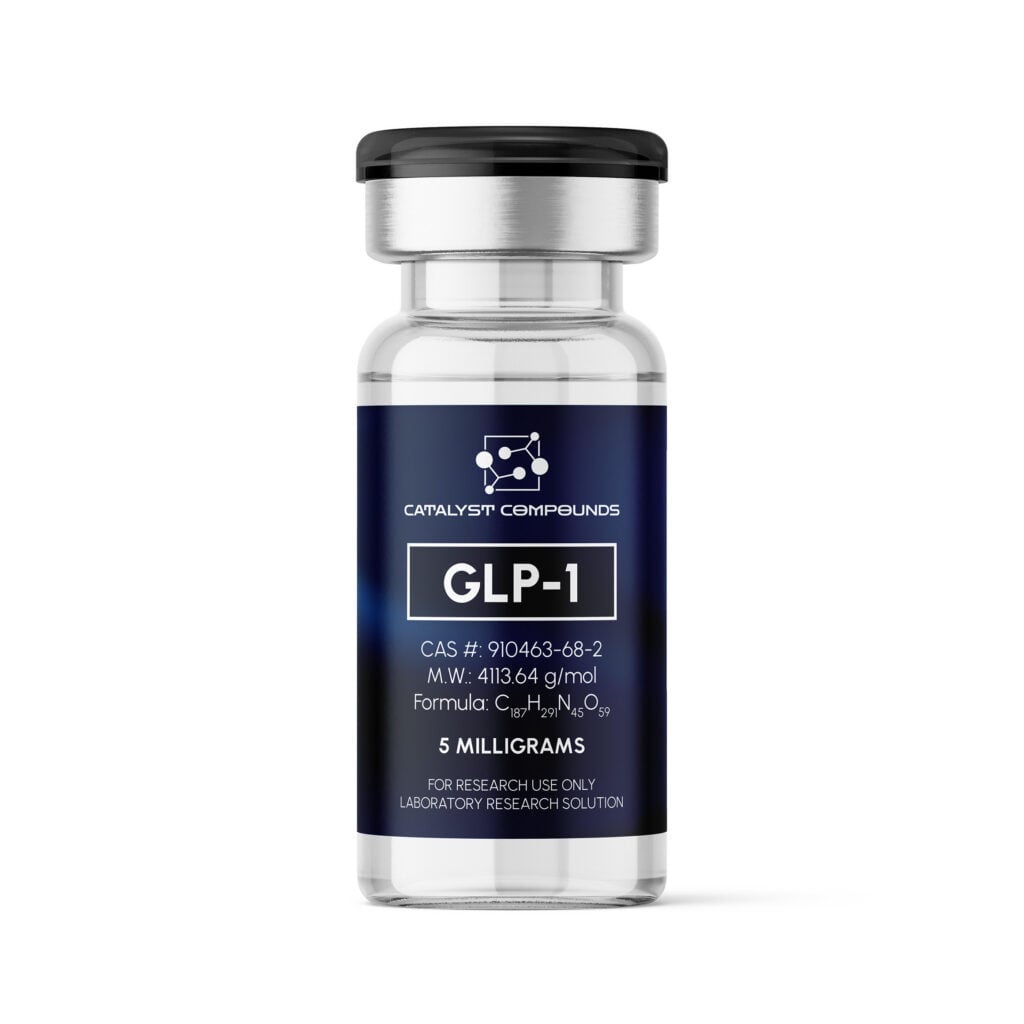
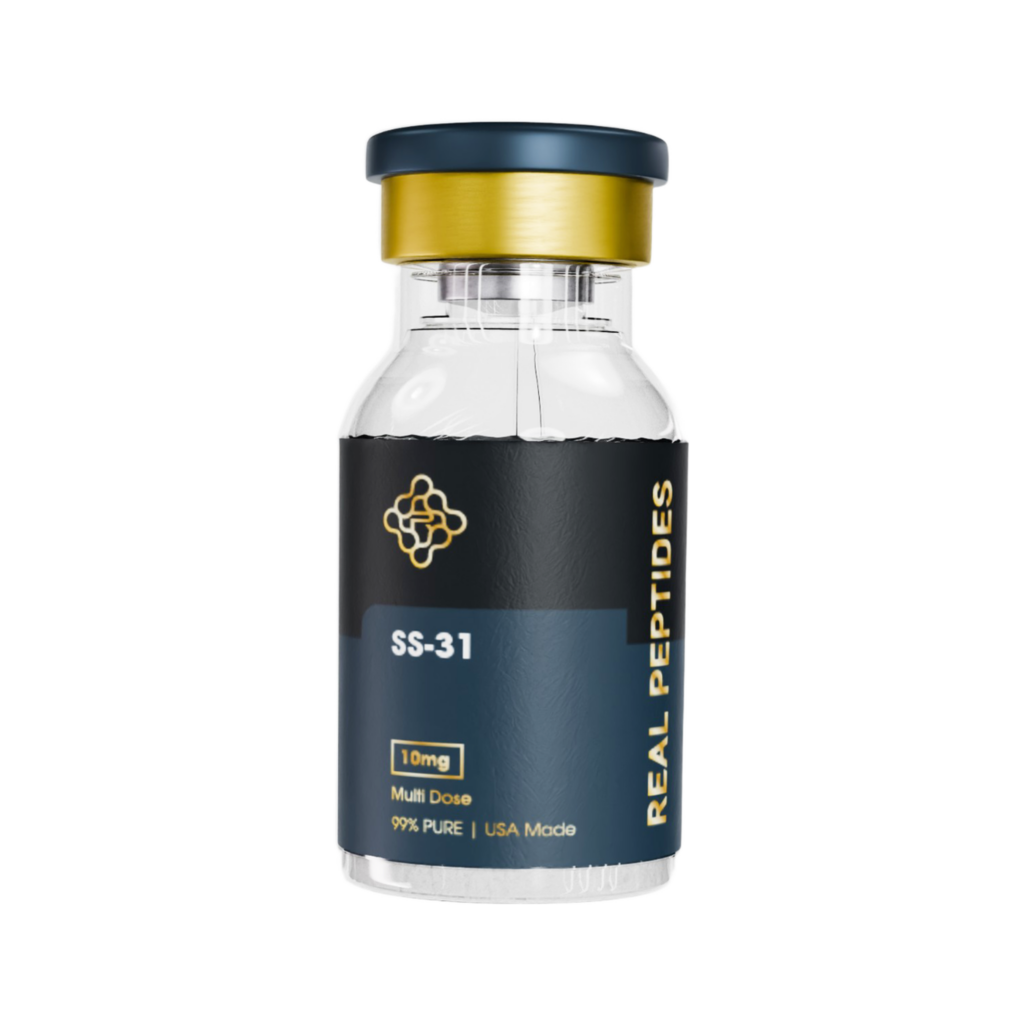
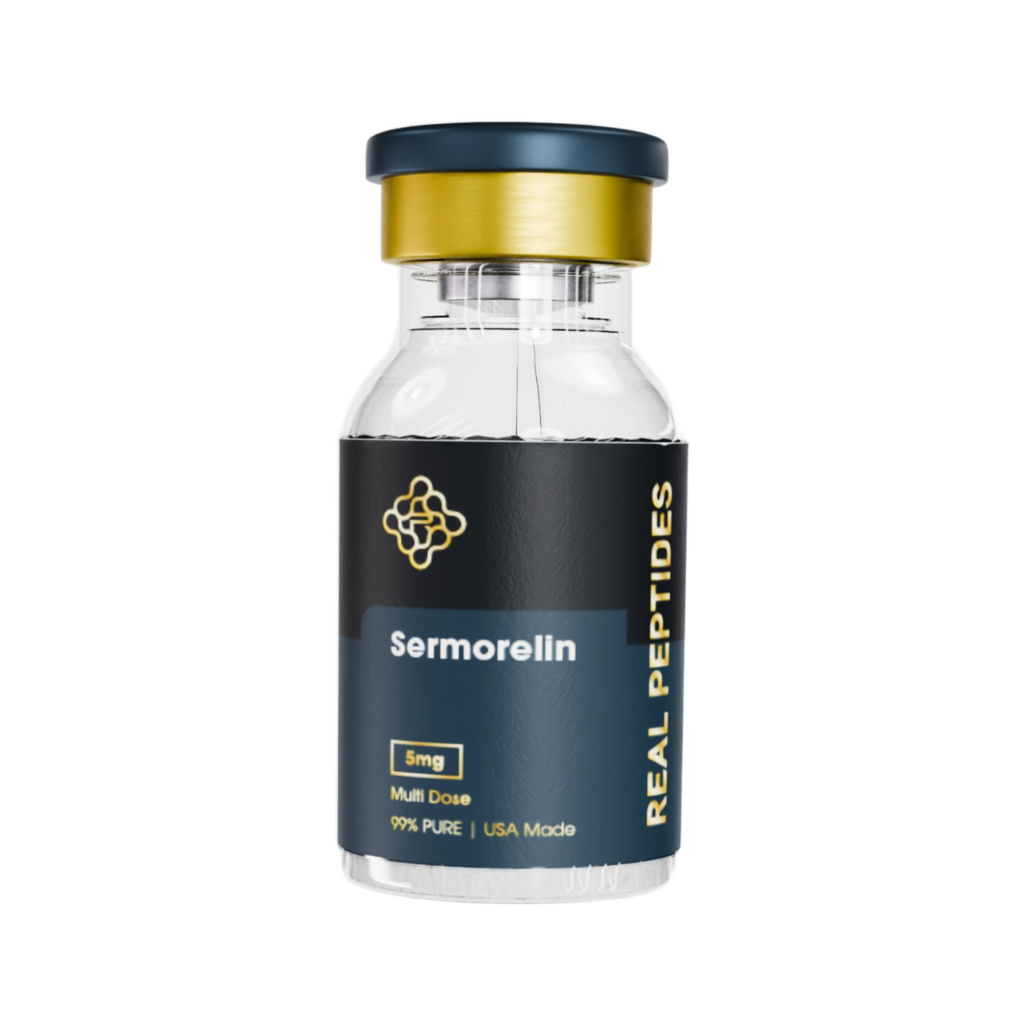
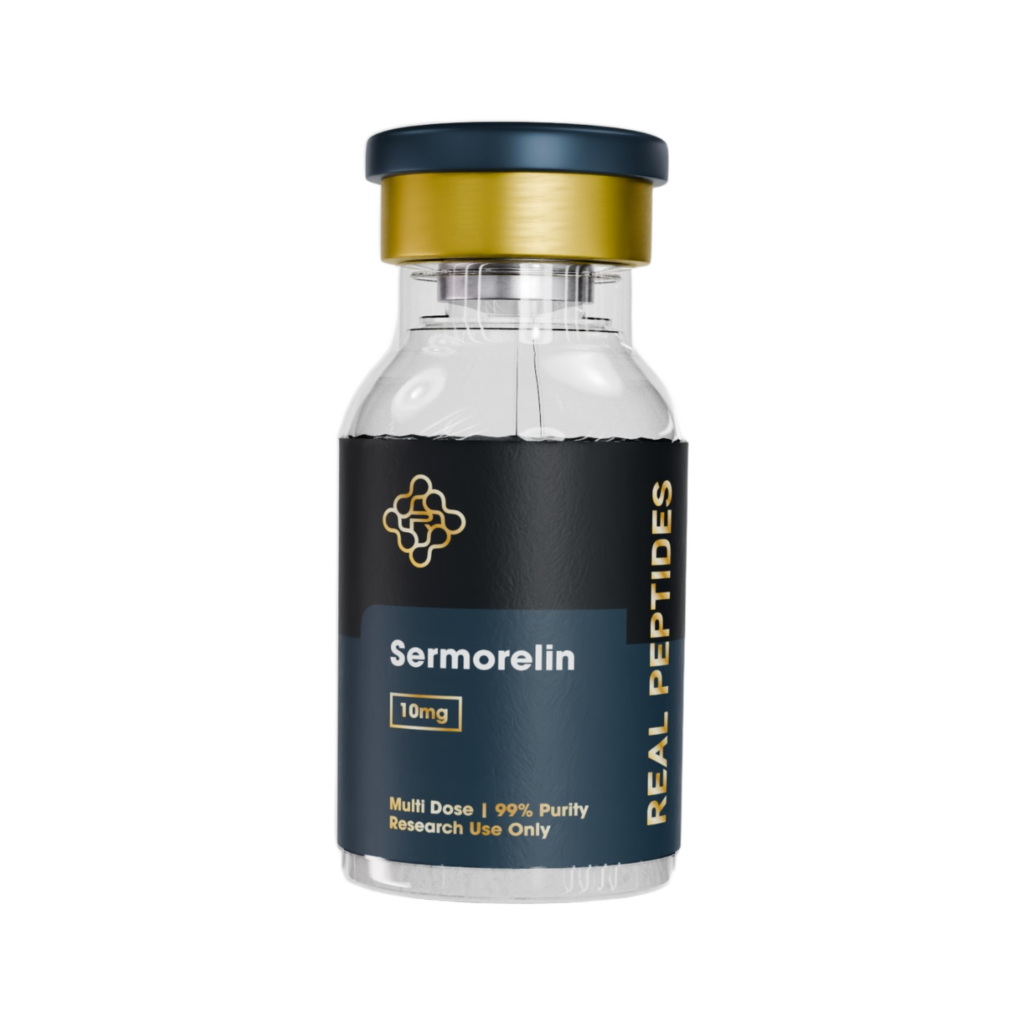
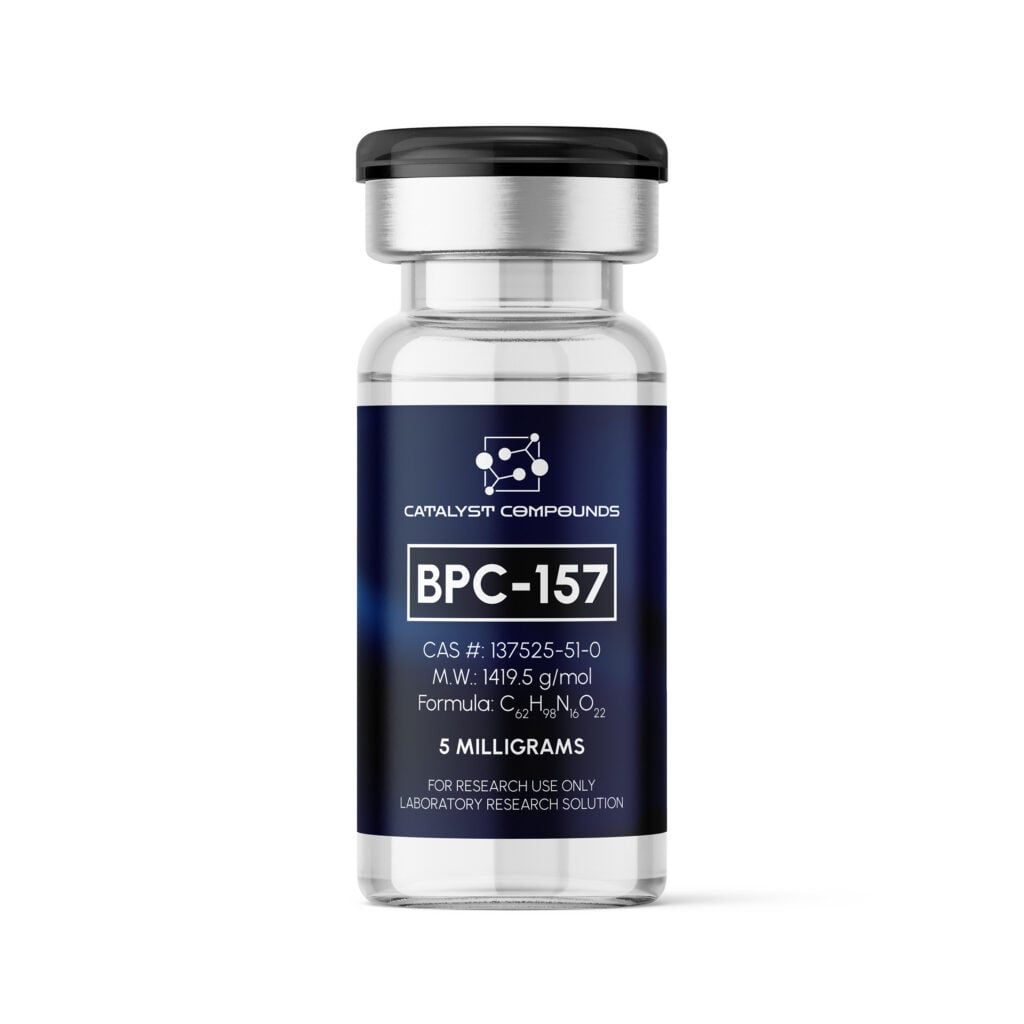
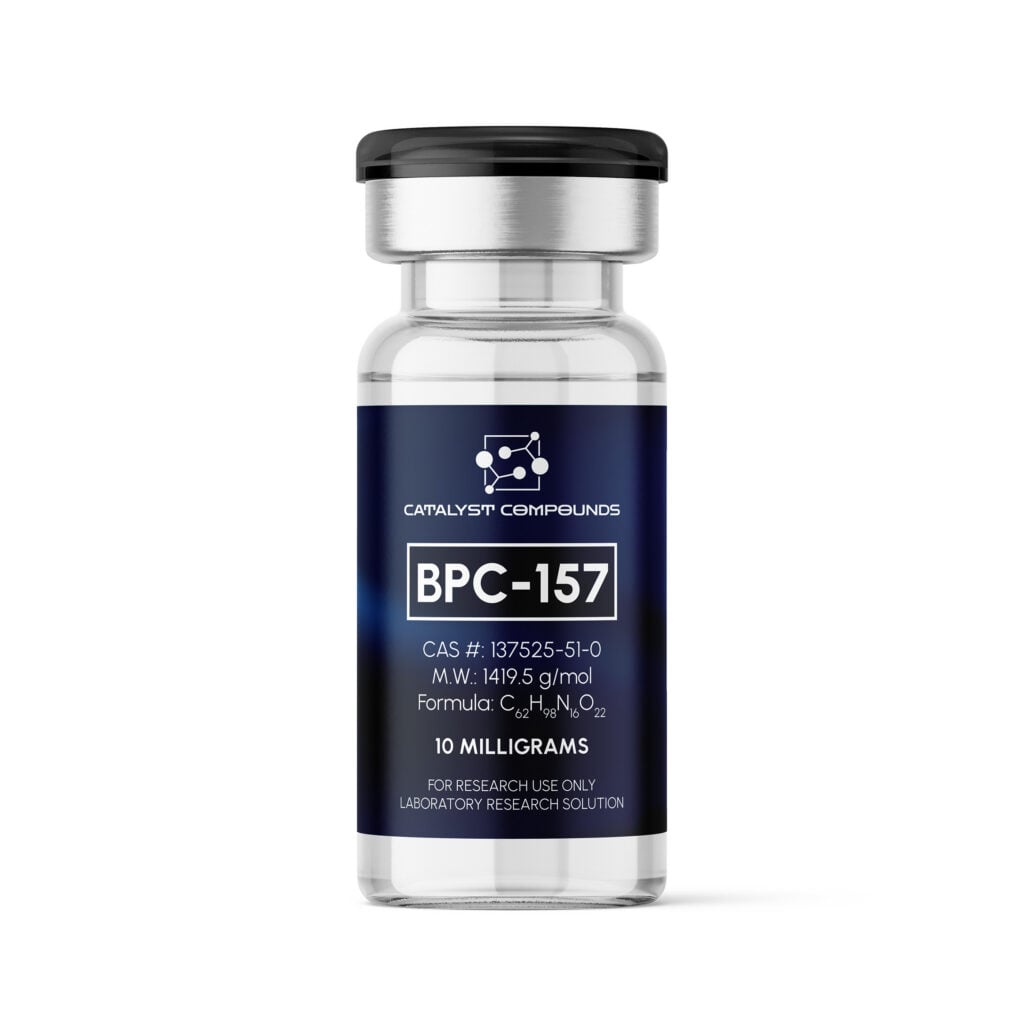
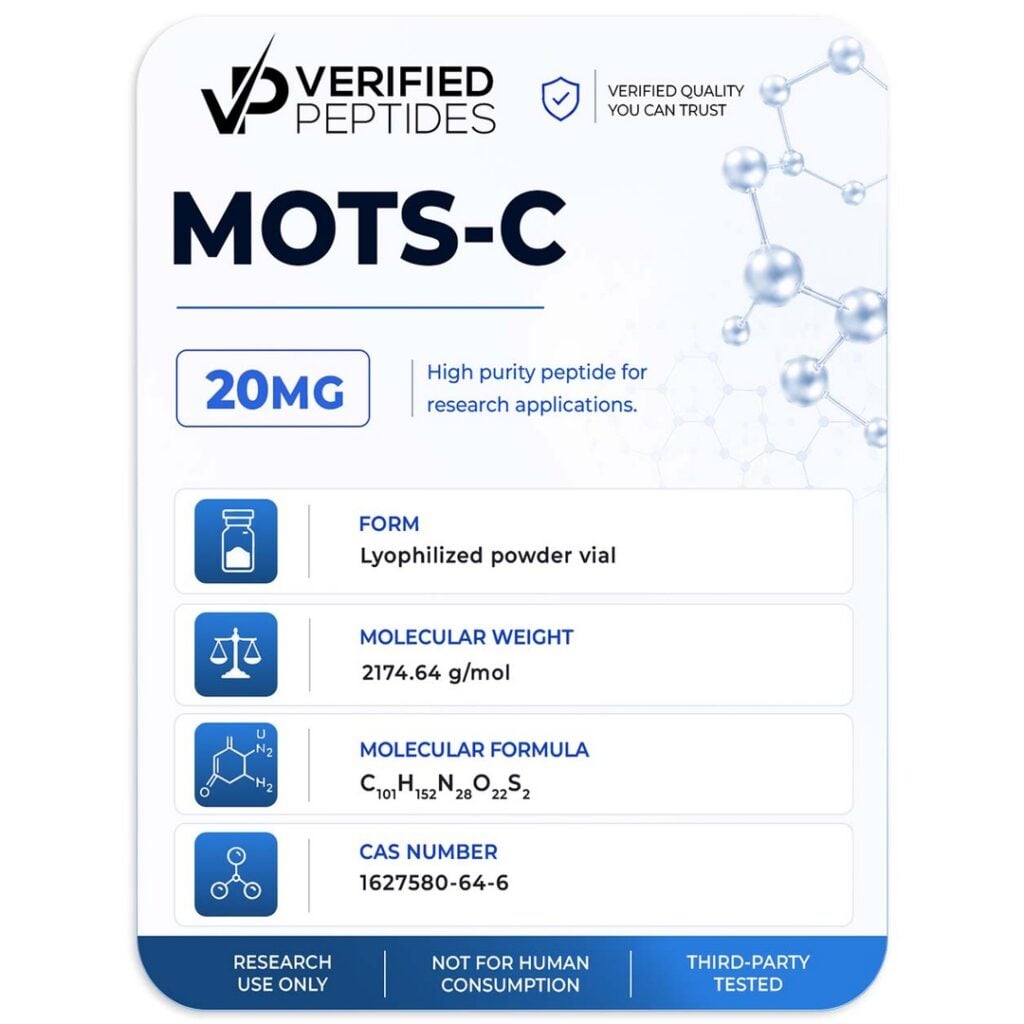
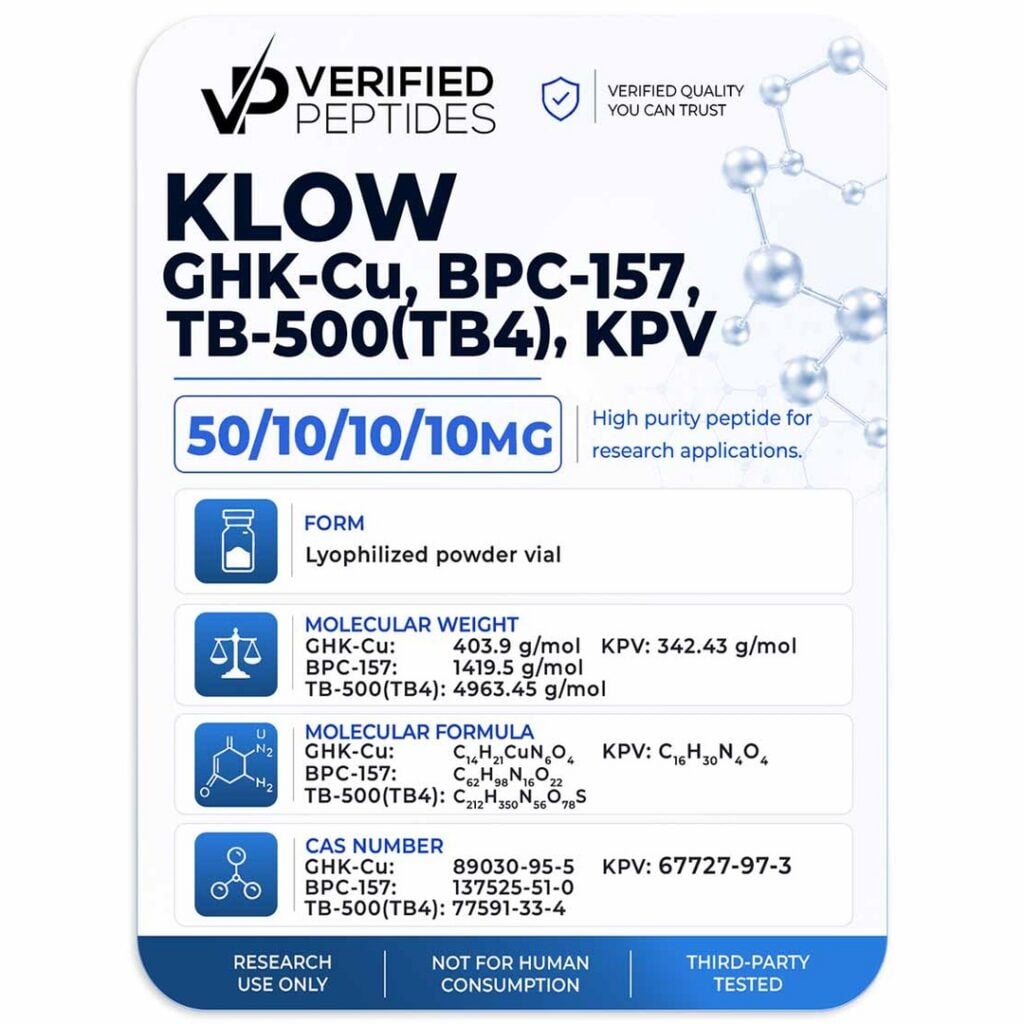
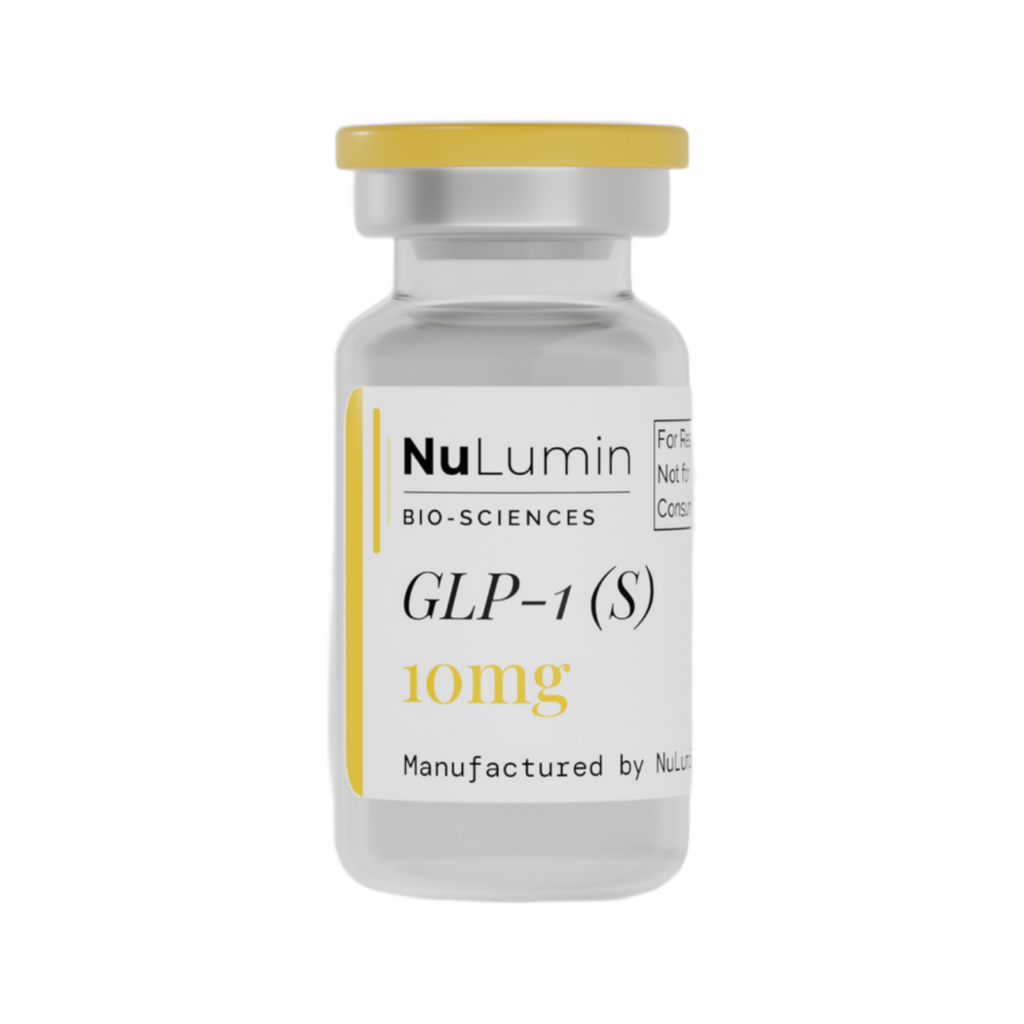
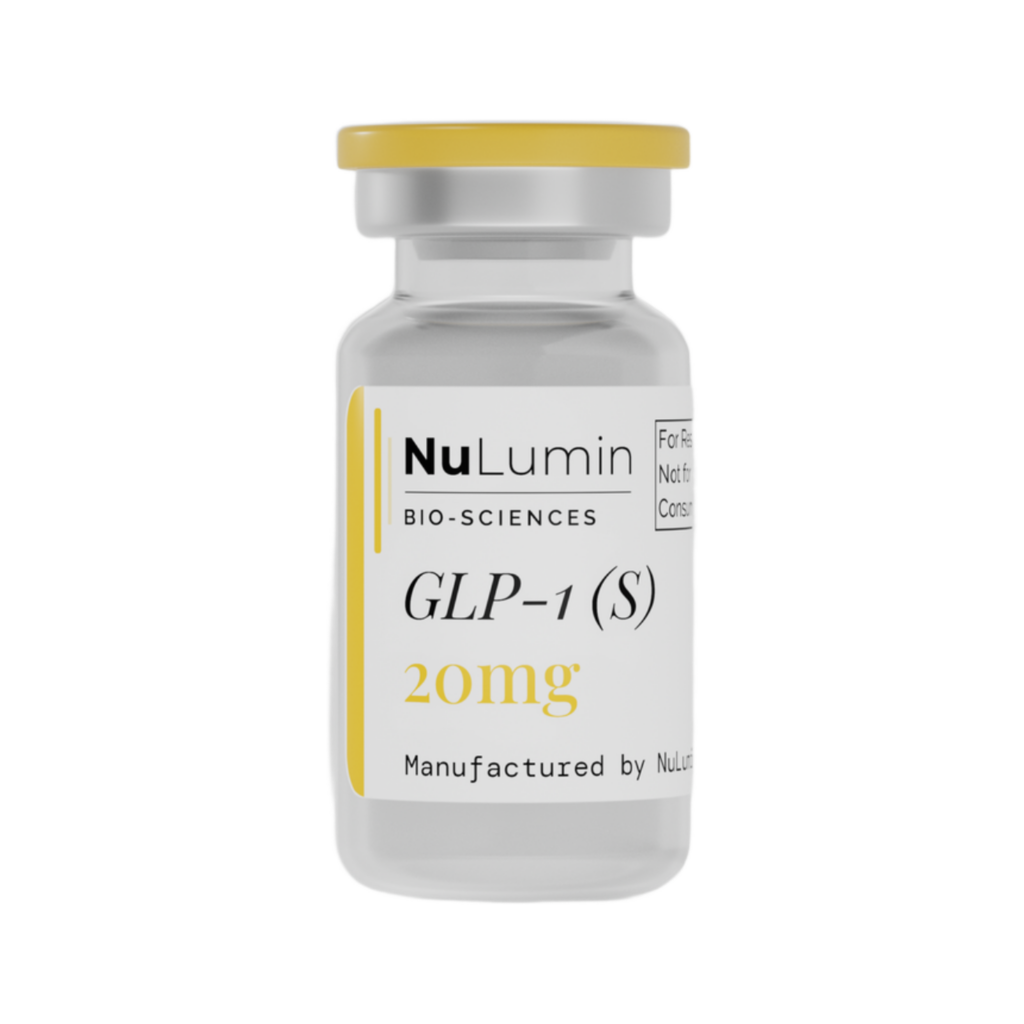
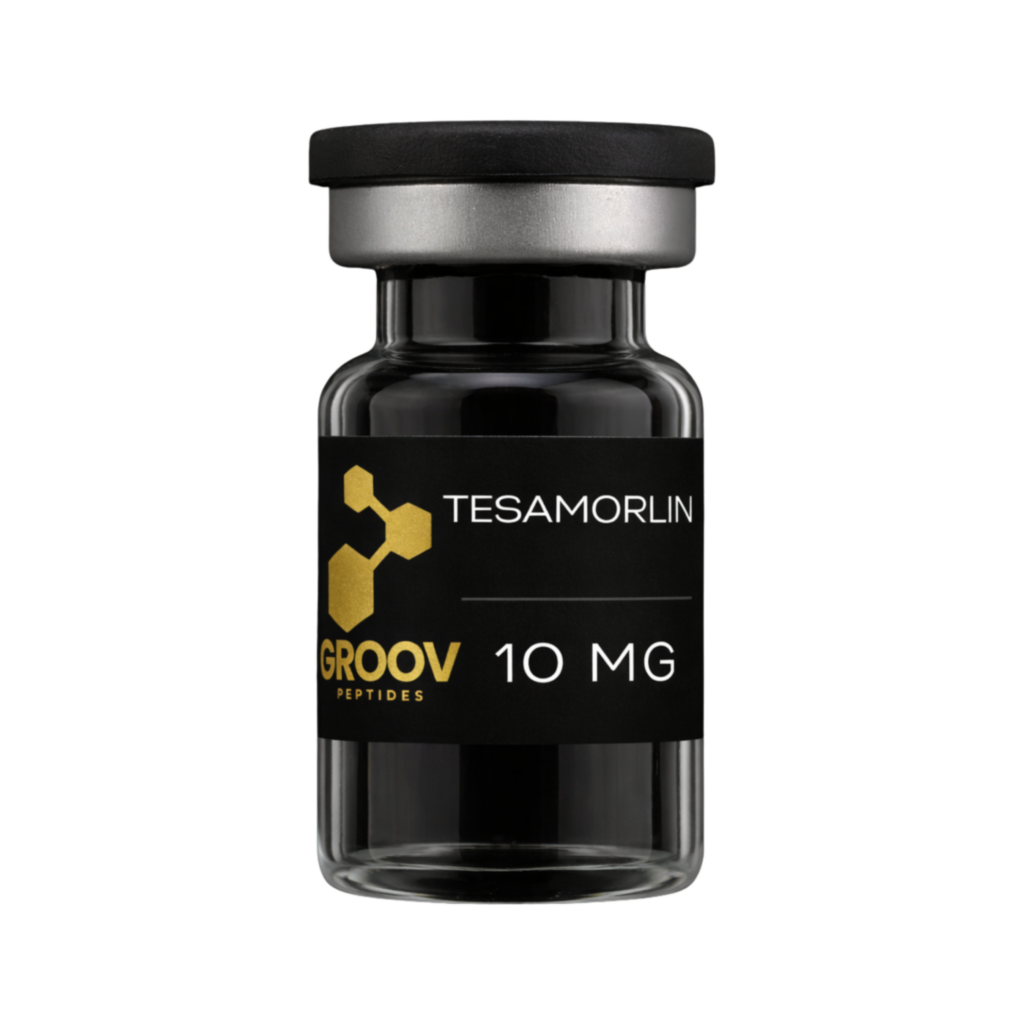
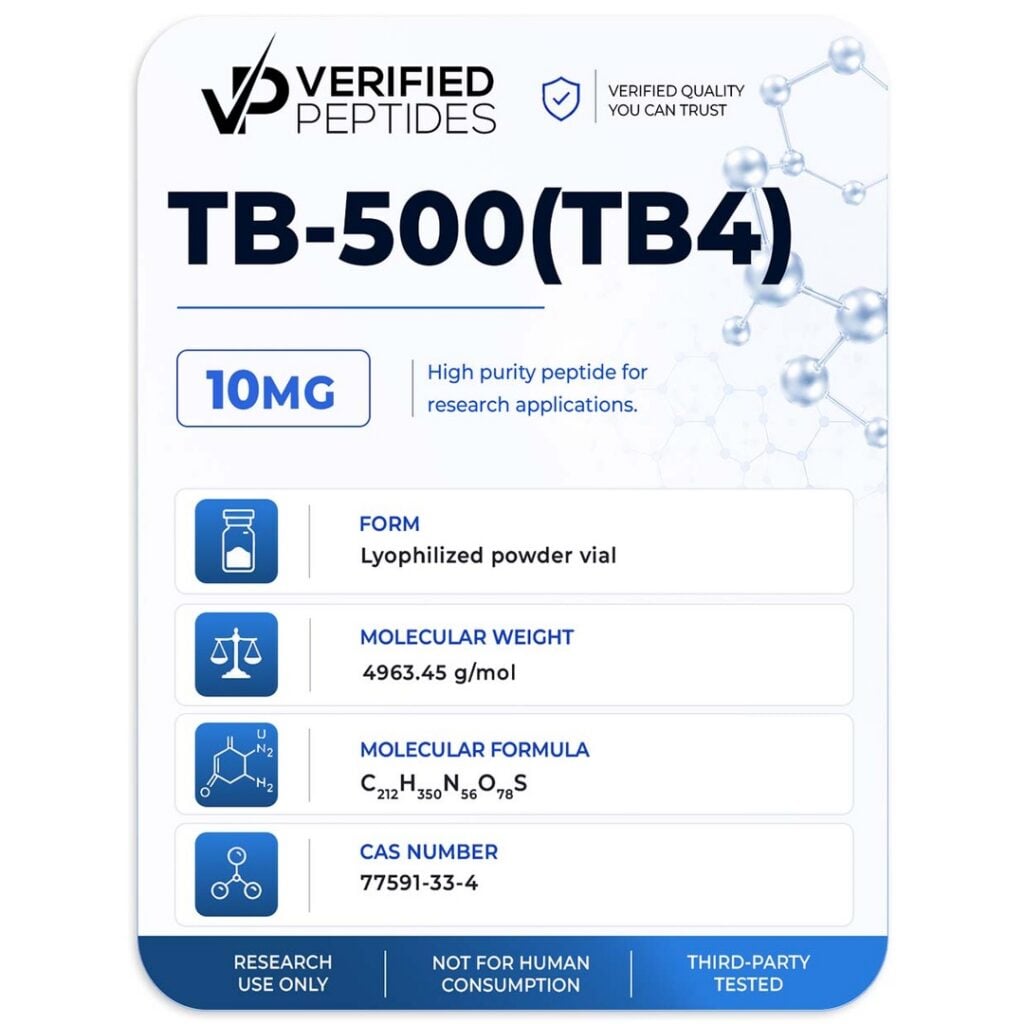
A research peptide vial is a small sealed glass container holding a research compound, most often as a lyophilized, freeze-dried powder. The dry form keeps the compound stable in storage and lets a lab bring it into solution at whatever concentration a study calls for. Most vials in this collection hold a single compound, though the collection also includes blend vials and at least one volume-based product. Fills run from 1mg on the small end, such as IGF-1 LR3, up to 1500mg for Glutathione, with 600mg and 1000mg fills in between. House-brand vials are clear glass with a coloured plastic flip-cap seal, and each is labeled with its contents, with the identity and verified purity of the specific lot documented on its Certificate of Analysis.
The peptide is built by solid-phase synthesis, where amino acids are added one at a time onto a resin support, then cleaved and purified by HPLC. The purified solution is frozen and placed under vacuum until the water sublimes away, leaving the dry cake you see inside the vial. That last step, lyophilization, is what gives a sealed vial its long dry-state stability, with the specific shelf life for each compound documented on its Certificate of Analysis. Mass spectrometry confirms the molecular weight matches the target sequence before filling. BPC-157, for example, has the molecular formula C62H98N16O22 and a molecular weight near 1419 g/mol, and those figures appear on its COA for batch verification.
Sealed, lyophilized vials do best at -20°C in a laboratory freezer, with 2-8°C fine for shorter holding. What degrades a peptide is not the calendar so much as repeated freeze-thaw cycling, light, and moisture entering once a seal is broken. Keep vials sealed, upright, and shielded from light, then return them to cold storage promptly. The stability window for any given compound is documented on its Certificate of Analysis, because compounds differ and a blanket duration would not hold across the collection.
The most useful thing to know about any vial is its chemistry. Molecular formula, molecular weight, amino acid sequence, and the synthesis and verification method together define the material. Reputable research vials pair that data with HPLC purity results and mass-spec identity confirmation tied to a batch number, all recorded on the Certificate of Analysis.
House-brand compounds sold through Peptides.com are filled and finished in the USA with globally sourced materials, and every batch is batch tested with a published Certificate of Analysis tied to a specific lot number. You can review current batch documentation on the Lab Reports page. Many of the same compounds also appear as liquid sprays and as capsules and tablets, so the right choice comes down to what a given protocol needs. Intact seals, clear labels, and traceable batch records are what let a researcher match the compound in hand to the name on the label.